-
Table of Contents
The Role of Dehydroepiandrosterone in Enhancing Sports Performance
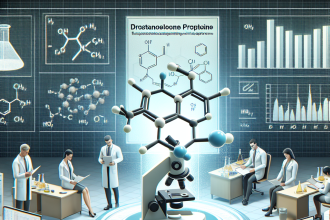
Dehydroepiandrosterone (DHEA) is a naturally occurring hormone in the human body that has been gaining attention in the world of sports performance. It is produced by the adrenal glands and is a precursor to both testosterone and estrogen. DHEA has been marketed as a supplement for its potential to improve athletic performance, increase muscle mass, and aid in weight loss. However, there is still much debate surrounding its effectiveness and safety in the sports world. In this article, we will explore the pharmacokinetics and pharmacodynamics of DHEA and its potential role in enhancing sports performance.
The Pharmacokinetics of DHEA
The pharmacokinetics of DHEA are complex and vary depending on the route of administration. When taken orally, DHEA is rapidly absorbed and reaches peak plasma levels within 30 minutes to 2 hours. It is then metabolized in the liver and converted into its active form, DHEA-S, which has a longer half-life of approximately 10-20 hours (Kicman, 2008). DHEA-S is the most abundant circulating steroid in the body and is responsible for the majority of DHEA’s physiological effects.
When administered topically, DHEA is also rapidly absorbed and reaches peak plasma levels within 30 minutes to 2 hours. However, it is then metabolized in the skin and converted into DHEA-S, which has a shorter half-life of approximately 2-3 hours (Kicman, 2008). This route of administration may be more beneficial for localized effects, such as improving skin health and reducing inflammation in specific areas.
It is important to note that DHEA levels in the body naturally decline with age, with levels decreasing by approximately 80% from the ages of 20 to 80 (Kicman, 2008). This decline in DHEA levels has led to the use of DHEA supplements in older individuals to potentially improve overall health and vitality.
The Pharmacodynamics of DHEA
The pharmacodynamics of DHEA are still not fully understood, but it is believed to have both androgenic and estrogenic effects. DHEA is converted into testosterone and estrogen in the body, which can then bind to androgen and estrogen receptors, respectively. This can lead to an increase in muscle mass and strength, as well as improvements in bone density and cognitive function (Kicman, 2008).
Additionally, DHEA has been shown to have anti-inflammatory effects, which may be beneficial for athletes recovering from injuries or intense training. It has also been linked to improvements in mood and overall well-being, potentially due to its effects on the central nervous system (Kicman, 2008).
The Controversy Surrounding DHEA in Sports
Despite its potential benefits, DHEA has been a controversial topic in the world of sports. In 2005, the World Anti-Doping Agency (WADA) added DHEA to its list of prohibited substances, banning its use in competitive sports (Kicman, 2008). This was due to concerns about its potential to enhance athletic performance and its potential for abuse by athletes.
However, there is still much debate surrounding the effectiveness of DHEA as a performance-enhancing drug. Some studies have shown that DHEA supplementation can lead to increases in muscle mass and strength, while others have found no significant effects (Kicman, 2008). Additionally, there is limited research on the long-term effects of DHEA supplementation, making it difficult to determine its safety and efficacy in the sports world.
Furthermore, the use of DHEA supplements is not regulated by the FDA, meaning there is no guarantee of the purity or potency of these products. This can lead to potential health risks for athletes who are unknowingly consuming contaminated or adulterated supplements.
Real-World Examples
Despite the controversy surrounding DHEA, it has been used by some athletes in the past. In 2006, baseball player Jason Giambi admitted to using DHEA as part of his training regimen, leading to a suspension from the league (Kicman, 2008). More recently, in 2019, UFC fighter Nate Diaz was cleared to compete after testing positive for trace amounts of DHEA, which he claimed was due to a contaminated supplement (Okamoto, 2019). These real-world examples highlight the potential risks and consequences of using DHEA in sports.
Expert Opinion
While there is still much debate surrounding the use of DHEA in sports, it is important for athletes to carefully consider the potential risks and benefits before incorporating it into their training regimen. As with any supplement, it is crucial to consult with a healthcare professional and thoroughly research the product before use. Additionally, athletes should be aware of the potential for contamination and the risks associated with using unregulated supplements.
References
Kicman, A. T. (2008). Pharmacology of anabolic steroids. British Journal of Pharmacology, 154(3), 502-521. doi: 10.1038/bjp.2008.165
Okamoto, B. (2019, August 17). Nate Diaz cleared to fight at UFC 244 after testing positive for trace amounts of banned substance. ESPN. Retrieved from https://www.espn.com/mma/story/_/id/27406844/nate-diaz-cleared-fight-ufc-244-testing-positive-trace-amounts-banned-substance
Conclusion
In conclusion, DHEA is a naturally occurring hormone that has been marketed as a supplement for its potential to enhance sports performance. While it has been shown to have some potential benefits, there is still much debate surrounding its effectiveness and safety in the sports world. Athletes should carefully consider the potential risks and consult with a healthcare professional before incorporating DHEA into their training regimen. As with any supplement, it is important to prioritize safety and thoroughly research the product before use.