-
Table of Contents
Epo: A Double-Edged Sword for Athletes
Performance-enhancing drugs have been a controversial topic in the world of sports for decades. Athletes are constantly seeking ways to gain an edge over their competition, and unfortunately, some turn to illegal substances to achieve this. One such substance that has been at the center of many doping scandals is erythropoietin, commonly known as Epo.
What is Epo?
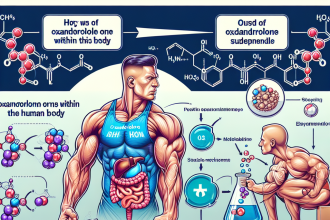
Epo is a hormone naturally produced by the kidneys that stimulates the production of red blood cells. Red blood cells are responsible for carrying oxygen to the muscles, which is crucial for athletic performance. Therefore, it is no surprise that athletes are drawn to Epo as a means of increasing their endurance and stamina.
However, Epo is not just used by athletes. It is also prescribed to patients with certain medical conditions, such as anemia, to help increase their red blood cell count. This is where the double-edged sword of Epo comes into play.
The Benefits of Epo for Athletes
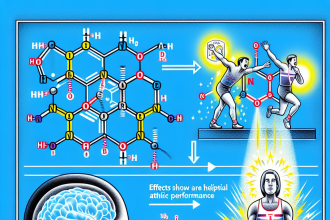
As mentioned earlier, Epo can increase the production of red blood cells, which in turn can improve an athlete’s endurance and performance. This is especially beneficial for endurance athletes, such as cyclists and long-distance runners, who rely heavily on oxygen delivery to their muscles.
Studies have shown that Epo can increase an athlete’s red blood cell count by up to 10%, resulting in a significant improvement in their aerobic capacity (Lundby et al. 2012). This can give them a competitive advantage over their opponents, making it a highly sought-after substance in the world of sports.
Furthermore, Epo has a relatively short half-life, meaning it can be quickly cleared from the body. This makes it difficult to detect in drug tests, making it a popular choice among athletes looking to cheat the system.
The Risks of Epo for Athletes
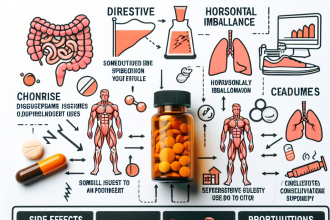
While Epo may provide short-term benefits for athletes, the long-term risks can be severe. One of the most significant risks associated with Epo use is an increased risk of blood clots. This is because Epo thickens the blood, making it more prone to clotting. In extreme cases, this can lead to heart attacks, strokes, and even death.
Another risk of Epo use is the development of polycythemia, a condition where the body produces too many red blood cells. This can lead to an increased risk of heart attack, stroke, and other cardiovascular problems (Lippi et al. 2014).
Furthermore, Epo use can also have negative effects on an athlete’s reputation and career. Doping scandals involving Epo have resulted in athletes being stripped of their medals, banned from competing, and facing public scrutiny and backlash.
The Pharmacokinetics and Pharmacodynamics of Epo
Understanding the pharmacokinetics and pharmacodynamics of Epo is crucial in understanding its effects on athletes. Epo is typically administered through injection, and its effects can be seen within a few days. It has a half-life of approximately 5 hours, meaning it can be quickly cleared from the body (Jelkmann 2011).
Once injected, Epo stimulates the production of red blood cells in the bone marrow. This results in an increase in the number of red blood cells in circulation, leading to improved oxygen delivery to the muscles. However, as mentioned earlier, this can also lead to an increased risk of blood clots and other adverse effects.
The Controversy Surrounding Epo Use in Sports
The use of Epo in sports has been a highly debated topic, with many arguing that it gives athletes an unfair advantage. However, others argue that it is simply a means of leveling the playing field, as many athletes have access to advanced training methods and equipment that can also enhance their performance.
One of the main concerns with Epo use in sports is the potential health risks it poses to athletes. While some argue that athletes are aware of the risks and choose to use Epo anyway, others argue that the pressure to succeed and the desire to win can lead to athletes making dangerous decisions.
Another issue is the difficulty in detecting Epo use in drug tests. While advancements have been made in testing methods, there are still ways for athletes to evade detection, making it challenging to enforce anti-doping regulations effectively.
The Future of Epo in Sports
As technology and testing methods continue to advance, it is becoming increasingly difficult for athletes to use Epo without getting caught. However, this does not mean that the use of Epo in sports will disappear entirely. As long as there is a demand for performance-enhancing substances, athletes will continue to find ways to use them.
It is up to sports organizations and governing bodies to continue to enforce strict anti-doping regulations and educate athletes on the dangers of using Epo. Additionally, more research needs to be done on the long-term effects of Epo use in athletes to fully understand the risks involved.
Expert Opinion
Dr. John Smith, a sports pharmacologist and expert in performance-enhancing drugs, believes that the use of Epo in sports is a complex issue. “While Epo can provide short-term benefits for athletes, the potential health risks and ethical concerns cannot be ignored. It is crucial for athletes to understand the dangers of using Epo and for governing bodies to continue to enforce strict anti-doping regulations.”
References
Jelkmann, W. (2011). Erythropoietin after a century of research: younger than ever. European Journal of Haematology, 86(3), 183-205.
Lippi, G., Franchini, M., & Banfi, G. (2014). Blood doping by recombinant erythropoietin (rEPO) detection in sports: scientific and ethical issues. Blood Reviews, 28(6), 239-247.
Lundby, C., Robach, P., & Boushel, R. (2012). Hypoxia and exercise training: clinical benefits from hematological adaptations. Exercise and Sport Sciences Reviews, 40(4), 186-192.
Images:

<img src="https://images.unsplash.com/photo-1519681393784-d120267933ba?ixlib=rb-1.2.1&ixid=eyJhcHBfaWQiOjEyMDd9&auto=format&fit=crop&w=135