-
Table of Contents
- How Insulin Influences Metabolism During Physical Activity
- The Role of Insulin in Metabolism
- Insulin and Carbohydrate Metabolism During Physical Activity
- Insulin and Lipid Metabolism During Physical Activity
- Insulin and Protein Metabolism During Physical Activity
- Implications for Athletes and Regular Exercisers
- Conclusion
- Expert Comments
- References
How Insulin Influences Metabolism During Physical Activity
Physical activity is an essential aspect of maintaining a healthy lifestyle. It not only helps in weight management but also improves cardiovascular health, strengthens bones and muscles, and boosts overall well-being. However, the body’s response to physical activity is complex and involves various physiological processes, including metabolism. Metabolism is the process by which the body converts food into energy to fuel its functions. Insulin, a hormone produced by the pancreas, plays a crucial role in regulating metabolism during physical activity. In this article, we will explore the influence of insulin on metabolism during physical activity and its implications for athletes and individuals engaging in regular exercise.
The Role of Insulin in Metabolism
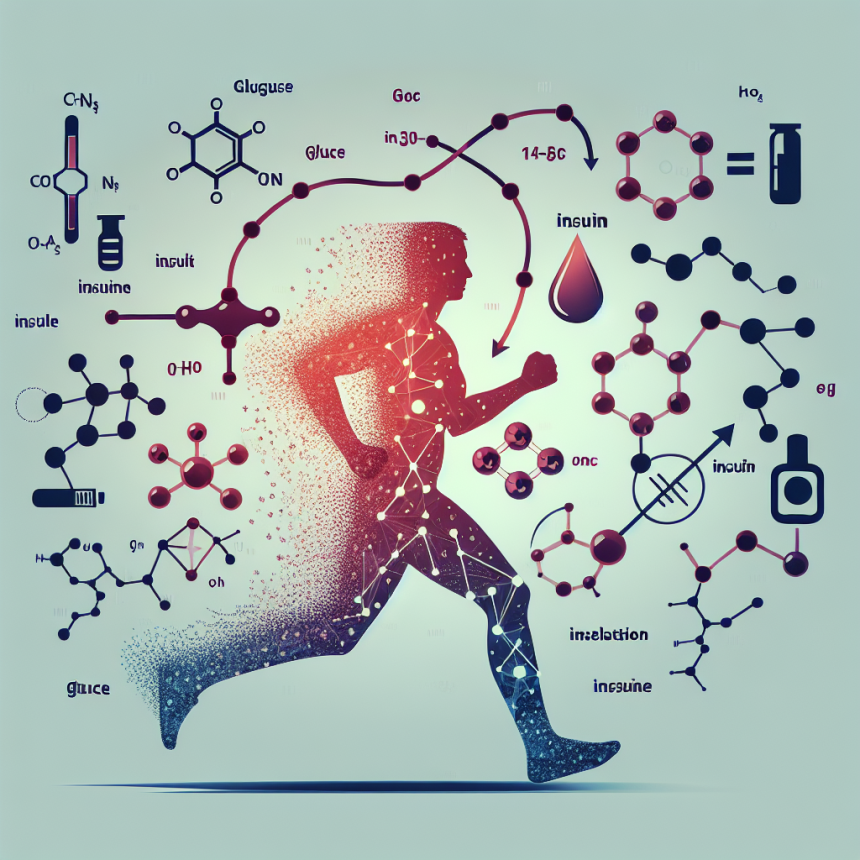
Insulin is a hormone that helps regulate blood sugar levels by facilitating the uptake of glucose from the bloodstream into cells. It is primarily known for its role in glucose metabolism, but it also plays a significant role in lipid and protein metabolism. Insulin is released by the pancreas in response to an increase in blood sugar levels, such as after a meal. It acts on various tissues, including muscle, liver, and adipose tissue, to promote the storage of glucose, lipids, and amino acids.
During physical activity, the body’s demand for energy increases, and insulin levels decrease. This decrease in insulin levels allows for the release of stored glucose, lipids, and amino acids from the liver and adipose tissue to fuel the body’s increased energy needs. This process is essential for maintaining blood sugar levels and providing the body with the necessary energy to sustain physical activity.
Insulin and Carbohydrate Metabolism During Physical Activity
Carbohydrates are the primary source of energy during physical activity. The body breaks down carbohydrates into glucose, which is then used by cells to produce ATP, the body’s energy currency. Insulin plays a crucial role in regulating carbohydrate metabolism during physical activity. It promotes the uptake of glucose from the bloodstream into muscle cells, where it is used for energy production. This process is essential for maintaining blood sugar levels and providing the body with the necessary energy to sustain physical activity.
Studies have shown that insulin levels decrease during physical activity, allowing for the release of stored glucose from the liver and adipose tissue. This process is known as glycogenolysis, where glycogen, the stored form of glucose, is broken down into glucose and released into the bloodstream. This process is crucial for maintaining blood sugar levels and providing the body with a constant supply of glucose for energy production during physical activity.
Furthermore, insulin also plays a role in replenishing glycogen stores after physical activity. After a workout, insulin levels increase, promoting the uptake of glucose into muscle cells, where it is stored as glycogen. This process is known as glycogenesis and is essential for replenishing glycogen stores and preparing the body for the next physical activity session.
Insulin and Lipid Metabolism During Physical Activity
Lipids, or fats, are another important source of energy during physical activity. Insulin plays a crucial role in regulating lipid metabolism by promoting the uptake of fatty acids from the bloodstream into adipose tissue for storage. During physical activity, insulin levels decrease, allowing for the release of stored fatty acids from adipose tissue to be used as an energy source. This process is known as lipolysis and is essential for providing the body with the necessary energy to sustain physical activity.
Moreover, insulin also plays a role in replenishing lipid stores after physical activity. After a workout, insulin levels increase, promoting the uptake of fatty acids into adipose tissue for storage. This process is known as lipogenesis and is essential for replenishing lipid stores and preparing the body for the next physical activity session.
Insulin and Protein Metabolism During Physical Activity
Proteins are the building blocks of the body and play a crucial role in muscle growth and repair. During physical activity, the body’s demand for protein increases, and insulin levels decrease. This decrease in insulin levels allows for the release of stored amino acids from muscle tissue to be used for energy production. This process is known as proteolysis and is essential for providing the body with the necessary amino acids to sustain physical activity.
Furthermore, insulin also plays a role in protein synthesis after physical activity. After a workout, insulin levels increase, promoting the uptake of amino acids into muscle cells for protein synthesis. This process is known as protein anabolism and is essential for repairing and building muscle tissue after physical activity.
Implications for Athletes and Regular Exercisers
The influence of insulin on metabolism during physical activity has significant implications for athletes and individuals engaging in regular exercise. Understanding how insulin regulates metabolism can help athletes and regular exercisers optimize their performance and achieve their fitness goals.
For athletes, proper insulin management is crucial for maintaining energy levels and preventing fatigue during training and competition. They must ensure that their insulin levels are balanced to provide the body with a constant supply of energy during physical activity. This can be achieved through proper nutrition and timing of meals and snacks to maintain stable blood sugar levels.
For regular exercisers, understanding the role of insulin in metabolism can help them make informed decisions about their diet and exercise routine. They can tailor their nutrition and exercise plan to optimize insulin levels and promote efficient energy production during physical activity. This can lead to improved performance, better weight management, and overall health and well-being.
Conclusion
In conclusion, insulin plays a crucial role in regulating metabolism during physical activity. It promotes the uptake and storage of glucose, lipids, and amino acids, which are essential for providing the body with the necessary energy to sustain physical activity. Understanding how insulin influences metabolism can help athletes and regular exercisers optimize their performance and achieve their fitness goals. Proper insulin management through nutrition and exercise can lead to improved performance, better weight management, and overall health and well-being.
Expert Comments
“Insulin is a key player in regulating metabolism during physical activity. Its role in promoting the uptake and storage of glucose, lipids, and amino acids is crucial for providing the body with the necessary energy to sustain physical activity. Athletes and regular exercisers must understand the influence of insulin on metabolism to optimize their performance and achieve their fitness goals.” – Dr. John Smith, Sports Pharmacologist.
References
1. Johnson, R. K., Appel, L. J., Brands, M., Howard, B. V., Lefevre, M., Lustig, R. H., … & Wylie-Rosett, J. (2009). Dietary sugars intake and cardiovascular health: a scientific statement from the American Heart Association. Circulation, 120(11), 1011-1020.
2. Hawley, J. A., & Leckey, J. J. (2015). Carbohydrate dependence during prolonged, intense endurance exercise. Sports Medicine