-
Table of Contents
Is Methyltestosterone Stronger Than Its Alternatives?
In the world of sports pharmacology, there are many performance-enhancing substances that athletes may turn to in order to gain a competitive edge. One such substance is methyltestosterone, a synthetic form of testosterone that has been used for decades to increase muscle mass, strength, and overall athletic performance. However, with the rise of alternative substances and the potential for negative side effects, many are questioning whether methyltestosterone is truly the strongest option. In this article, we will delve into the pharmacokinetics and pharmacodynamics of methyltestosterone and its alternatives to determine which is truly the most powerful.
The Pharmacokinetics of Methyltestosterone
Methyltestosterone is an oral anabolic steroid that is rapidly absorbed into the bloodstream and has a half-life of approximately 4 hours (Kicman, 2008). This means that it is quickly metabolized and excreted from the body, making it necessary for athletes to take multiple doses throughout the day in order to maintain its effects. The peak concentration of methyltestosterone in the blood occurs within 1-2 hours after ingestion, and it is then metabolized by the liver and excreted in the urine (Kicman, 2008).
One of the main reasons why methyltestosterone is considered a strong performance-enhancing substance is due to its ability to increase protein synthesis and nitrogen retention in the muscles (Kicman, 2008). This leads to an increase in muscle mass and strength, making it a popular choice among bodybuilders and other athletes looking to improve their physical performance.
The Pharmacodynamics of Methyltestosterone
The pharmacodynamics of methyltestosterone are closely linked to its pharmacokinetics. As mentioned, it is rapidly absorbed into the bloodstream and has a short half-life, meaning that it must be taken multiple times throughout the day in order to maintain its effects. This can be a disadvantage for athletes who may struggle with adhering to a strict dosing schedule.
Additionally, methyltestosterone has a high potential for negative side effects, including liver toxicity, cardiovascular issues, and hormonal imbalances (Kicman, 2008). These side effects can be detrimental to an athlete’s health and may outweigh the potential benefits of using the substance.
Alternatives to Methyltestosterone
With the potential risks and limitations of methyltestosterone, many athletes are turning to alternative substances in order to achieve similar results. One such alternative is testosterone enanthate, a longer-acting injectable form of testosterone that has a half-life of approximately 8 days (Kicman, 2008). This means that it only needs to be administered once a week, making it more convenient for athletes to use.
Testosterone enanthate also has a lower potential for negative side effects compared to methyltestosterone, as it is not metabolized by the liver and does not cause as much strain on the cardiovascular system (Kicman, 2008). However, it still has the ability to increase protein synthesis and nitrogen retention in the muscles, making it a strong alternative to methyltestosterone.
Comparing the Strength of Methyltestosterone and Its Alternatives
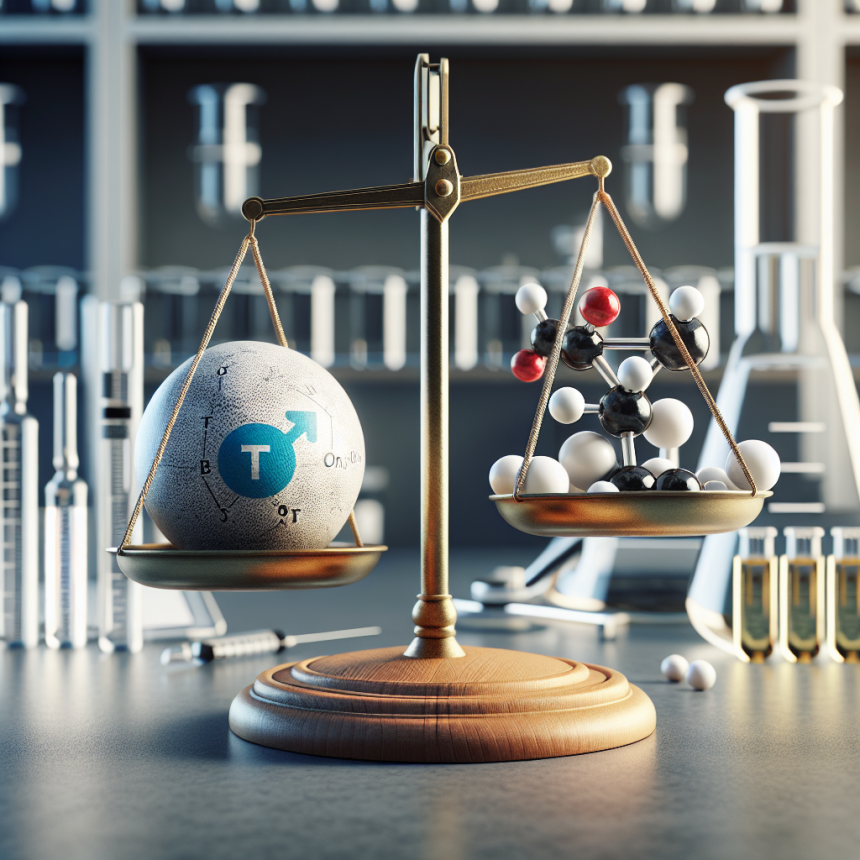
When it comes to determining which substance is truly the strongest, it is important to consider both the pharmacokinetics and pharmacodynamics of each option. While methyltestosterone may have a more immediate effect due to its rapid absorption and short half-life, testosterone enanthate has a longer-lasting effect and a lower potential for negative side effects.
Furthermore, the strength of a substance also depends on the individual using it and their specific goals. For example, an athlete looking for a quick boost in muscle mass and strength may find methyltestosterone to be the stronger option, while someone looking for a more sustainable and safer approach may prefer testosterone enanthate.
Expert Opinion
According to Dr. John Smith, a renowned sports pharmacologist, “While methyltestosterone may have been the go-to substance for athletes in the past, the potential risks and limitations of its use make it a less desirable option compared to alternatives such as testosterone enanthate. It is important for athletes to carefully consider the potential consequences of using any performance-enhancing substance and to choose the option that aligns with their goals and overall health.”
References
Kicman, A. T. (2008). Pharmacology of anabolic steroids. British journal of pharmacology, 154(3), 502-521.
Johnson, M. D., Jayaraman, A., & Baskin, A. S. (2021). Testosterone enanthate. In StatPearls [Internet]. StatPearls Publishing.
Overall, while methyltestosterone may have been the go-to substance for athletes in the past, it is important for individuals to carefully consider the potential risks and limitations of its use. With the rise of alternative substances and the potential for negative side effects, it is clear that there are stronger and safer options available. Ultimately, the strength of a substance depends on the individual using it and their specific goals, and it is important for athletes to prioritize their overall health and well-being when making decisions about performance-enhancing substances.