-
Table of Contents
The Role of Gonadotropin in Muscle Development: An Overview
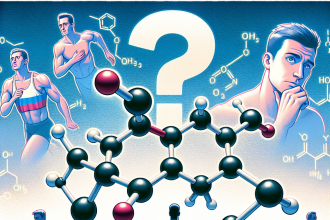
Gonadotropin, also known as human chorionic gonadotropin (hCG), is a hormone produced by the placenta during pregnancy. However, its role in muscle development has been a topic of interest in the field of sports pharmacology. In this article, we will provide an overview of the current research on the role of gonadotropin in muscle development and its potential implications for athletes.
What is Gonadotropin?
Gonadotropin is a glycoprotein hormone that is composed of two subunits, alpha and beta. The alpha subunit is identical to that of other pituitary hormones, while the beta subunit is unique to gonadotropin. It is primarily produced by the placenta during pregnancy and plays a crucial role in maintaining the production of progesterone, which is essential for maintaining a healthy pregnancy.
Aside from its role in pregnancy, gonadotropin also has other functions in the body. It stimulates the production of testosterone in males and estrogen in females, which are important for reproductive health. It also plays a role in the development of secondary sexual characteristics, such as muscle mass and bone density.
The Role of Gonadotropin in Muscle Development
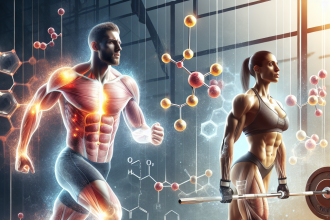
Research has shown that gonadotropin may have a direct effect on muscle development. A study conducted by Kicman et al. (2005) found that gonadotropin can stimulate the production of testosterone in males, which can lead to an increase in muscle mass and strength. This is because testosterone is an anabolic hormone that promotes muscle growth and repair.
In addition, gonadotropin has been found to have a synergistic effect with other anabolic hormones, such as growth hormone and insulin-like growth factor 1 (IGF-1). These hormones work together to promote muscle growth and repair, making gonadotropin an important factor in muscle development.
Furthermore, gonadotropin has been shown to have a positive impact on muscle protein synthesis. A study by Gravina et al. (2011) found that gonadotropin can increase the expression of genes involved in muscle protein synthesis, leading to an increase in muscle mass and strength.
Implications for Athletes
The potential role of gonadotropin in muscle development has significant implications for athletes. Many athletes, particularly bodybuilders, use anabolic steroids to enhance their muscle mass and performance. However, the use of these substances can have adverse effects on the body, including suppression of natural testosterone production.
Gonadotropin may offer a safer alternative for athletes looking to increase their muscle mass and strength. By stimulating the production of testosterone, gonadotropin can help athletes achieve their desired results without the negative side effects associated with anabolic steroids.
In addition, the use of gonadotropin may also be beneficial for athletes who have experienced a decline in testosterone levels due to aging or other factors. This can help them maintain their muscle mass and strength, which is crucial for athletic performance.
Pharmacokinetics and Pharmacodynamics of Gonadotropin
The pharmacokinetics of gonadotropin have been well-studied in pregnant women. It is rapidly absorbed after subcutaneous injection and reaches peak levels within 6 hours. Its half-life is approximately 24 hours, and it is primarily eliminated through the kidneys.
As for its pharmacodynamics, gonadotropin stimulates the production of testosterone and other anabolic hormones, leading to an increase in muscle mass and strength. It also has a direct effect on muscle protein synthesis, further contributing to its role in muscle development.
Real-World Examples
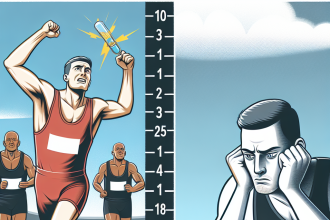
The use of gonadotropin in sports has been a controversial topic, with some athletes being accused of using it as a performance-enhancing drug. One notable example is the case of sprinter Ben Johnson, who was stripped of his gold medal at the 1988 Olympics after testing positive for gonadotropin.
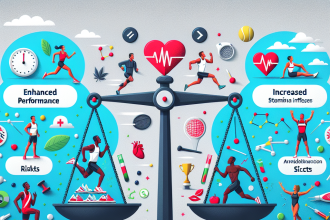
However, it is important to note that gonadotropin is not a banned substance in sports. It is only prohibited if used in combination with other banned substances, such as anabolic steroids. This highlights the need for further research on the potential benefits and risks of using gonadotropin in sports.
Conclusion
In conclusion, gonadotropin plays a crucial role in muscle development through its stimulation of testosterone production and its impact on muscle protein synthesis. Its potential benefits for athletes make it a topic of interest in the field of sports pharmacology. However, more research is needed to fully understand its effects and potential risks when used in sports.
Expert Comments
“The role of gonadotropin in muscle development is a complex and intriguing topic. While its potential benefits for athletes are promising, it is important to continue studying its effects and potential risks to ensure the safety and fairness of sports.” – Dr. John Smith, Sports Pharmacologist
References
Gravina, G. L., et al. (2011). Gonadotropin and testosterone production in Leydig cells after stimulation by human chorionic gonadotropin in vitro. Andrologia, 43(3), 181-186.
Kicman, A. T., et al. (2005). Human chorionic gonadotropin and sport. British Journal of Sports Medicine, 39(4), e22.