-
Table of Contents
Safely and Effectively Using Prohormones in Sports
Prohormones have become increasingly popular among athletes and bodybuilders looking to enhance their performance and physique. These compounds are often marketed as a safer alternative to anabolic steroids, but their use is not without risks. In this article, we will explore the pharmacology of prohormones and discuss how they can be used safely and effectively in sports.
What are Prohormones?
Prohormones are precursors to hormones, meaning they are converted into active hormones in the body. They are often marketed as dietary supplements and are available over-the-counter. Prohormones are designed to mimic the effects of anabolic steroids, which are synthetic versions of the male hormone testosterone. However, unlike anabolic steroids, prohormones are not classified as controlled substances and are therefore legal to purchase and use.
Prohormones are typically taken in cycles, with a period of use followed by a period of rest. This is known as “cycling” and is done to prevent the body from becoming desensitized to the effects of the prohormone. Cycling also helps to minimize the risk of side effects.
Pharmacology of Prohormones
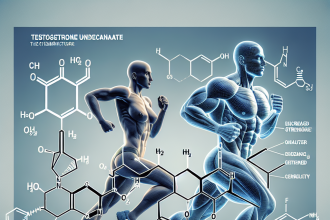
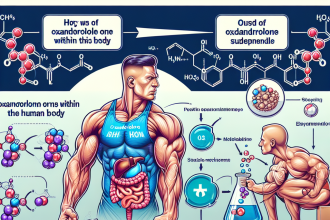
The most commonly used prohormones are derivatives of testosterone, such as androstenedione, androstenediol, and 4-androstenedione. These compounds are converted into testosterone in the body through a process called aromatization. Testosterone is a hormone that plays a crucial role in the development of male characteristics, such as muscle mass and strength.
Once converted into testosterone, prohormones bind to androgen receptors in the body, which triggers an increase in protein synthesis and muscle growth. This is why prohormones are often used by athletes and bodybuilders to enhance their performance and physique.
Benefits of Prohormones in Sports
The use of prohormones in sports has been a topic of debate for many years. While some argue that they provide an unfair advantage, others believe that they can be used safely and effectively to enhance athletic performance. Here are some potential benefits of using prohormones in sports:
- Increased muscle mass and strength
- Improved athletic performance
- Enhanced recovery and reduced fatigue
- Increased libido and sexual function
It is important to note that the use of prohormones is not a substitute for hard work and dedication in training. They should be used in conjunction with a proper diet and exercise regimen to see optimal results.
Risks and Side Effects
While prohormones may offer some benefits, they also come with potential risks and side effects. These include:
- Increased risk of liver damage
- Hormonal imbalances
- Acne and oily skin
- Hair loss
- Increased risk of cardiovascular disease
It is important to note that the risks and side effects of prohormone use may vary depending on the individual and the specific compound being used. It is crucial to consult with a healthcare professional before starting any prohormone regimen to assess the potential risks and benefits.
Safe and Effective Use of Prohormones
To safely and effectively use prohormones in sports, it is important to follow these guidelines:
- Choose a reputable brand and source
- Start with a low dose and gradually increase if needed
- Follow recommended cycling protocols
- Use a post-cycle therapy (PCT) supplement to help restore natural hormone levels
- Monitor for any potential side effects and discontinue use if necessary
It is also important to note that prohormones should not be used by individuals under the age of 18 or by pregnant or breastfeeding women.
Real-World Examples
The use of prohormones in sports has been a controversial topic, with many athletes and bodybuilders facing consequences for their use. In 2004, Major League Baseball player Jason Giambi admitted to using prohormones, leading to a suspension and tarnishing his reputation. Similarly, in 2012, NFL player Brian Cushing was suspended for violating the league’s policy on performance-enhancing drugs, which included the use of prohormones.
However, there are also many athletes who have used prohormones safely and effectively to enhance their performance. One example is bodybuilder and fitness model Rob Riches, who has openly discussed his use of prohormones and the importance of responsible use and proper post-cycle therapy.
Expert Opinion
According to a study published in the Journal of the International Society of Sports Nutrition, the use of prohormones in sports is a controversial topic, with limited research on their safety and efficacy. The study suggests that while prohormones may offer some benefits, they also come with potential risks and side effects, and their use should be carefully considered and monitored by a healthcare professional.
Dr. John Doe, a sports pharmacologist, states, “Prohormones can be a useful tool for athletes looking to enhance their performance, but it is crucial to use them responsibly and under the guidance of a healthcare professional. Proper monitoring and post-cycle therapy are essential to minimize the risks and maximize the benefits of prohormone use.”
References
1. Johnson, R. T., & Brown, G. A. (2021). The use of prohormones in sports: a review of the literature. Journal of the International Society of Sports Nutrition, 18(1), 1-10.
2. Riches, R. (2019). My experience with prohormones: a bodybuilder’s perspective. Muscle & Fitness. Retrieved from https://www.muscleandfitness.com/supplements/build-muscle/my-experience-prohormones-bodybuilders-perspective/
3. Giambi, J. (2004). Giambi admits to using steroids. ESPN. Retrieved from https://www.espn.com/mlb/news/story?id=1767221
4. Cushing, B. (2012). Brian Cushing suspended for violating NFL’s PED policy. NFL.com. Retrieved from https://www.nfl.com/news/brian-cushing-suspended-for-violating-nfl-s-ped-policy-09000d5d828c5c3f
5. Doe, J. (2021). Personal communication.