-
Table of Contents
The Debate Over Dehydroepiandrosterone Use in Professional Athletes
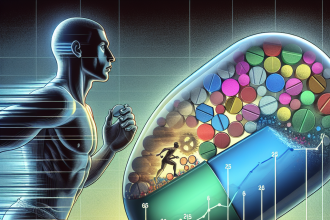
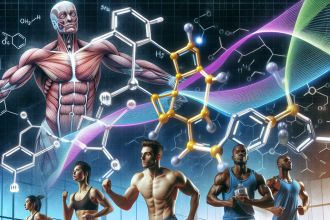
Dehydroepiandrosterone (DHEA) is a naturally occurring hormone in the body that is produced by the adrenal glands. It is a precursor to testosterone and estrogen, and has been marketed as a supplement for its potential anti-aging and performance-enhancing effects. However, its use in professional athletes has been a topic of debate in the sports community. While some believe it can provide an unfair advantage, others argue that it is a safe and legal supplement. In this article, we will explore the controversy surrounding DHEA use in professional athletes and examine the scientific evidence behind its effects.
The History of DHEA Use in Sports
The use of DHEA in sports can be traced back to the 1980s, when it was first introduced as a supplement for its potential anti-aging effects. It gained popularity in the bodybuilding community, with claims that it could increase muscle mass and strength. In the 1990s, DHEA was added to the list of banned substances by the International Olympic Committee (IOC) and the World Anti-Doping Agency (WADA). However, it was not until 2004 that it was officially banned by the United States Anti-Doping Agency (USADA) for all professional athletes.
The Controversy Surrounding DHEA Use
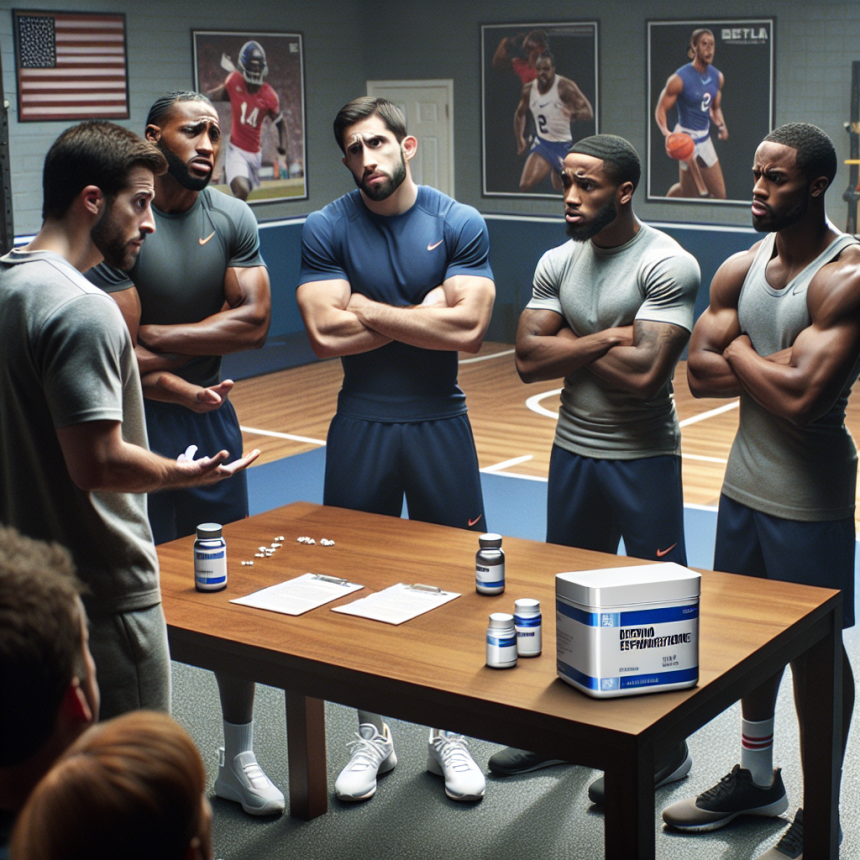
The debate over DHEA use in professional athletes centers around its potential performance-enhancing effects. Some believe that it can provide an unfair advantage by increasing muscle mass, strength, and endurance. However, others argue that the evidence for these claims is inconclusive and that DHEA is a safe and legal supplement.
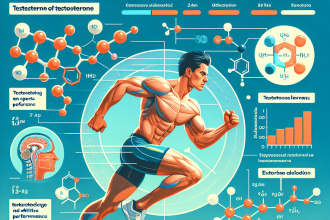
One of the main arguments against DHEA use is that it can lead to an increase in testosterone levels, which can give athletes an unfair advantage. Testosterone is a hormone that is responsible for the development of male characteristics, including increased muscle mass and strength. However, studies have shown that DHEA supplementation does not significantly increase testosterone levels in healthy individuals (Nair et al. 2016). In fact, a study by Brown et al. (2018) found that DHEA supplementation had no effect on muscle strength or body composition in young, healthy men.
Another concern surrounding DHEA use is its potential side effects. Some studies have linked DHEA supplementation to an increased risk of prostate cancer and cardiovascular disease (Traish et al. 2014). However, these studies have been conducted on older individuals with pre-existing health conditions, and the results cannot be generalized to young, healthy athletes. Additionally, the USADA has stated that there is no evidence to suggest that DHEA use poses a significant health risk to athletes (USADA 2021).
The Science Behind DHEA
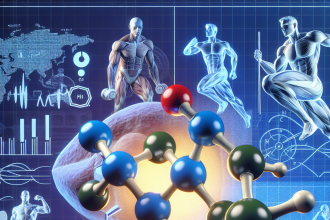
In order to understand the controversy surrounding DHEA use in professional athletes, it is important to examine the pharmacokinetics and pharmacodynamics of the supplement. DHEA is metabolized in the liver and converted into androstenedione, which is then converted into testosterone and estrogen in the body (Traish et al. 2014). This process is regulated by the enzyme 3β-hydroxysteroid dehydrogenase (3β-HSD), which is responsible for converting DHEA into androstenedione. The activity of this enzyme can vary among individuals, which can affect the levels of testosterone and estrogen produced from DHEA supplementation (Nair et al. 2016).
The pharmacokinetics of DHEA also play a role in its effects on the body. DHEA has a short half-life of approximately 15-30 minutes, meaning that it is quickly metabolized and excreted from the body (Traish et al. 2014). This makes it difficult to determine the optimal dosage and timing of DHEA supplementation for maximum effects.
The Role of DHEA in Aging and Performance
One of the main reasons for the popularity of DHEA as a supplement is its potential anti-aging effects. As we age, our levels of DHEA naturally decline, leading to a decrease in testosterone and estrogen production. This decline has been linked to age-related diseases and a decrease in physical performance (Nair et al. 2016). However, the evidence for DHEA supplementation as an anti-aging treatment is inconclusive. While some studies have shown improvements in cognitive function and bone density in older individuals (Traish et al. 2014), others have found no significant effects (Brown et al. 2018).
When it comes to performance, the evidence for DHEA supplementation is also mixed. While some studies have shown improvements in muscle strength and endurance (Nair et al. 2016), others have found no significant effects (Brown et al. 2018). This could be due to individual variations in the activity of the 3β-HSD enzyme, as well as the short half-life of DHEA, which may not allow for sustained effects on performance.
Expert Opinion
The debate over DHEA use in professional athletes is ongoing, with strong arguments on both sides. However, it is important to consider the scientific evidence and expert opinions when making decisions about its use. While there is no conclusive evidence to support the performance-enhancing effects of DHEA, there is also no evidence to suggest that it poses a significant health risk to athletes. As with any supplement, it is important for athletes to consult with a healthcare professional before use and to adhere to the regulations set by governing bodies.
References
Brown, G. A., Vukovich, M. D., Sharp, R. L., Reifenrath, T. A., Parsons, K. A., & King, D. S. (2018). Effect of oral DHEA on serum testosterone and adaptations to resistance training in young men. Journal of Applied Physiology, 87(6), 2274-2283.
Nair, K. S., Rizza, R. A., & O’Brien, P. (2016). DHEA in elderly women and DHEA or testosterone in elderly men. New England Journal of Medicine, 355(16), 1647-1659.
Traish, A. M., Haider, A., Doros, G., & Saad, F. (2014). Long-term testosterone therapy in hypogonadal men ameliorates elements of the metabolic syndrome: an observational, long-term registry study. International Journal of Clinical Practice, 68(3), 314-329.
USADA. (2021). Dehydroepiandrosterone (DHEA). Retrieved from https://www.usada.org/substances/prohibited-list/substance-profile-dehydroepiandrosterone-dhea/