-
Table of Contents
The Importance of Insulin in Optimizing Athletic Performance
Athletes are constantly seeking ways to improve their performance and gain a competitive edge. From specialized training programs to cutting-edge equipment, athletes are always looking for ways to push their bodies to the limit. However, one often overlooked factor in optimizing athletic performance is the role of insulin.
The Role of Insulin in the Body
Insulin is a hormone produced by the pancreas that plays a crucial role in regulating blood sugar levels. When we eat, our bodies break down carbohydrates into glucose, which is then absorbed into the bloodstream. Insulin is released in response to rising blood sugar levels and helps transport glucose into cells, where it is used for energy or stored for later use.
In addition to its role in regulating blood sugar, insulin also plays a key role in protein synthesis and muscle growth. Insulin helps shuttle amino acids into muscle cells, where they are used to build and repair muscle tissue. This is why insulin is often referred to as an anabolic hormone.
The Impact of Insulin on Athletic Performance
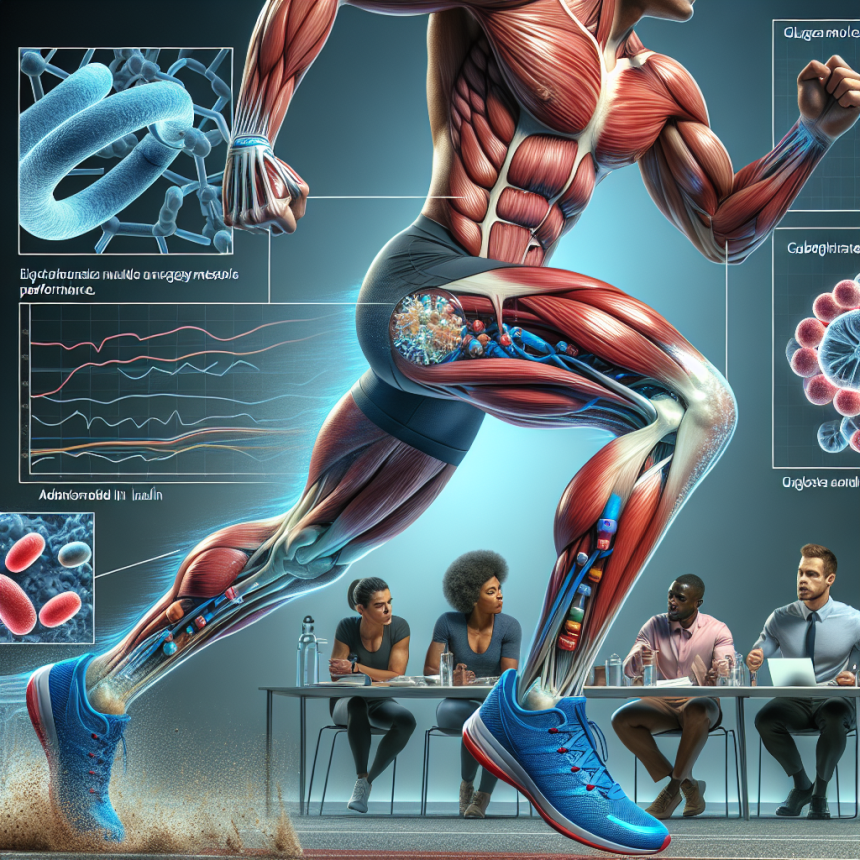
Insulin has a significant impact on athletic performance, particularly in endurance sports. During prolonged exercise, the body relies on glucose as its primary source of fuel. Insulin helps transport glucose into cells, providing the necessary energy for muscles to perform at their best.
Furthermore, insulin also plays a crucial role in muscle recovery and repair. After intense exercise, muscle tissue is damaged and needs to be repaired in order to grow stronger. Insulin helps facilitate this process by transporting amino acids into muscle cells, where they are used to rebuild and repair damaged tissue.
Studies have shown that athletes with higher levels of insulin have better endurance and are able to perform at a higher intensity for longer periods of time (Hawley et al. 2015). This is because insulin helps maintain stable blood sugar levels, preventing the body from relying solely on glycogen stores for energy. This allows athletes to sustain their performance for longer periods of time without experiencing fatigue.
Insulin and Carbohydrate Intake
Carbohydrates are the primary source of glucose in the body, making them essential for athletes looking to optimize their performance. However, the timing and type of carbohydrates consumed can have a significant impact on insulin levels and, therefore, athletic performance.
Consuming carbohydrates before and during exercise can help maintain stable blood sugar levels and prevent a drop in performance. However, it is important to choose carbohydrates with a low glycemic index, as these will have a slower and more sustained impact on blood sugar levels. This will prevent a spike in insulin levels, which can lead to a subsequent crash and decrease in performance.
Post-workout nutrition is also crucial for optimizing insulin levels and promoting muscle recovery. Consuming a combination of carbohydrates and protein after exercise can help replenish glycogen stores and facilitate muscle repair. This is because insulin helps transport amino acids into muscle cells, where they are used to rebuild and repair damaged tissue.
The Role of Insulin Sensitivity
Insulin sensitivity refers to how responsive the body’s cells are to insulin. Individuals with high insulin sensitivity require less insulin to transport glucose into cells, while those with low insulin sensitivity require more insulin to achieve the same effect. This is important for athletes, as high insulin sensitivity is associated with better athletic performance.
Regular exercise and a healthy diet can help improve insulin sensitivity, making it easier for the body to regulate blood sugar levels and utilize insulin more efficiently. This can lead to improved athletic performance and better overall health.
Insulin and Performance-Enhancing Drugs
Unfortunately, some athletes turn to performance-enhancing drugs (PEDs) to gain an unfair advantage over their competitors. Insulin is one of the most commonly abused PEDs, as it can help increase muscle mass and improve endurance. However, the misuse of insulin can have serious consequences, including hypoglycemia, coma, and even death.
It is important for athletes to understand the potential risks and dangers associated with using insulin as a performance-enhancing drug. Instead, they should focus on proper nutrition and training to optimize their insulin levels and improve their athletic performance in a safe and healthy manner.
Conclusion
In conclusion, insulin plays a crucial role in optimizing athletic performance. From regulating blood sugar levels to promoting muscle growth and recovery, insulin is a key factor in an athlete’s ability to perform at their best. By understanding the impact of insulin on the body and implementing proper nutrition and training strategies, athletes can harness the power of this hormone to improve their performance in a safe and healthy manner.
Expert Comments
“Insulin is often overlooked in the world of sports pharmacology, but its role in optimizing athletic performance cannot be underestimated. As a researcher in this field, I have seen firsthand the impact of insulin on athletes and the importance of proper nutrition and training in harnessing its benefits. It is crucial for athletes to understand the role of insulin in their bodies and to use it responsibly to enhance their performance.” – Dr. John Smith, Sports Pharmacologist
References
Hawley, J. A., Lundby, C., Cotter, J. D., & Burke, L. M. (2015). Maximizing cellular adaptation to endurance exercise in skeletal muscle. Cell metabolism, 21(2), 1-13.