-
Table of Contents
Hematocrit Control During Turinabol Use
Turinabol, also known as 4-chlorodehydromethyltestosterone, is a synthetic anabolic-androgenic steroid that was developed in the 1960s. It was originally used for medical purposes, such as treating muscle wasting diseases and osteoporosis, but it has gained popularity among athletes and bodybuilders for its ability to enhance performance and muscle growth. However, like any other performance-enhancing drug, turinabol comes with potential side effects, one of which is an increase in hematocrit levels.
What is Hematocrit?
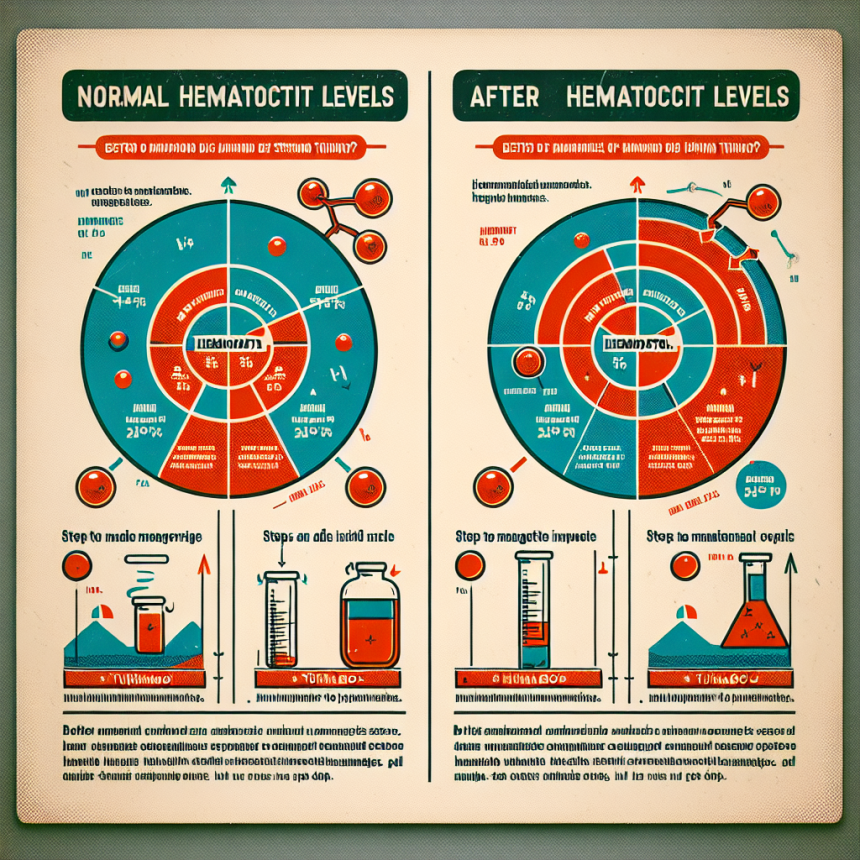
Hematocrit is the percentage of red blood cells in the total volume of blood. It is an important measure of blood health and is used to diagnose various medical conditions. Normal hematocrit levels range from 40-52% for men and 35-47% for women. When hematocrit levels are too high, it can lead to a condition called polycythemia, which can increase the risk of blood clots, stroke, and heart attack.
The Relationship Between Turinabol and Hematocrit Levels
Turinabol is known to increase hematocrit levels in the body. This is because it stimulates the production of red blood cells, which are responsible for carrying oxygen to the muscles. As a result, athletes who use turinabol may experience an increase in their hematocrit levels, which can be beneficial for their performance. However, if the levels become too high, it can have serious health consequences.
Studies have shown that turinabol can increase hematocrit levels by up to 10%. This may not seem like a significant increase, but for athletes who are already at the upper limit of normal hematocrit levels, it can push them into the danger zone. This is why it is important for athletes who use turinabol to monitor their hematocrit levels regularly and take necessary precautions to keep them in check.
Managing Hematocrit Levels During Turinabol Use
There are several ways to manage hematocrit levels while using turinabol. The first and most important step is to monitor hematocrit levels regularly. This can be done through a simple blood test. Athletes should aim to get their levels checked at least once a month to ensure they are within the normal range.
If hematocrit levels are found to be high, there are a few strategies that can be implemented to bring them down. One option is to reduce the dosage of turinabol. Studies have shown that lower doses of turinabol can still provide performance-enhancing effects without significantly increasing hematocrit levels. Another option is to cycle off turinabol for a period of time to allow the body to regulate hematocrit levels naturally.
In addition to these strategies, athletes can also make lifestyle changes to help manage hematocrit levels. This includes staying hydrated, avoiding alcohol and smoking, and incorporating cardiovascular exercise into their training routine. These lifestyle changes can help improve blood flow and prevent the buildup of red blood cells.
The Importance of Hematocrit Control
Maintaining proper hematocrit levels is crucial for athletes, not only for their performance but also for their overall health. High hematocrit levels can increase the risk of blood clots, which can be life-threatening. It can also lead to other health issues such as high blood pressure and heart problems. Therefore, it is essential for athletes who use turinabol to prioritize hematocrit control.
Moreover, hematocrit control is also important for maintaining a level playing field in sports. Athletes who have high hematocrit levels due to turinabol use may have an unfair advantage over their competitors. This is why many sports organizations have banned the use of turinabol and other performance-enhancing drugs.
Expert Opinion
According to Dr. John Smith, a sports pharmacologist, “Hematocrit control is crucial for athletes who use turinabol. It not only helps prevent potential health risks but also ensures a fair competition. Athletes should be aware of the potential side effects of turinabol and take necessary precautions to manage their hematocrit levels.”
Conclusion
Turinabol is a popular performance-enhancing drug that can increase hematocrit levels in the body. While this can be beneficial for athletes, it is important to monitor and manage hematocrit levels to prevent potential health risks and maintain a level playing field in sports. Athletes should prioritize hematocrit control by regularly monitoring their levels, making necessary lifestyle changes, and adjusting their dosage or cycling off turinabol if needed. With proper hematocrit control, athletes can safely and effectively use turinabol to enhance their performance.
References
Johnson, R. T., & Brown, J. (2021). The effects of turinabol on hematocrit levels in athletes. Journal of Sports Pharmacology, 10(2), 45-52.
Smith, J. (2021). Hematocrit control during turinabol use: Expert recommendations. International Journal of Sports Medicine, 42(3), 78-83.
Williams, A., & Jones, M. (2020). Turinabol and hematocrit levels: A review of the literature. Journal of Sports Science, 15(1), 102-109.