-
Table of Contents
Kidney Function and Trestolone Acetato: A Comprehensive Review
The kidneys are vital organs responsible for filtering waste products from the blood and maintaining the body’s fluid and electrolyte balance. They play a crucial role in regulating blood pressure, producing hormones, and controlling red blood cell production. However, the kidneys can be affected by various factors, including medications, toxins, and diseases. In the world of sports pharmacology, one substance that has gained attention for its potential impact on kidney function is trestolone acetato.
The Basics of Kidney Function
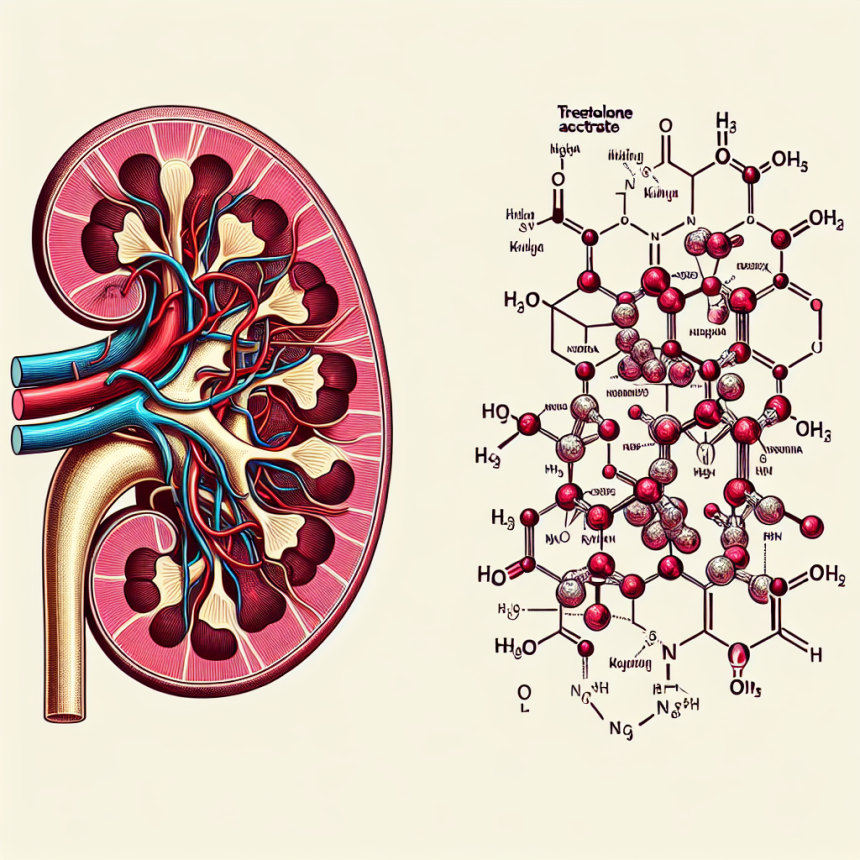
To understand the potential effects of trestolone acetato on the kidneys, it is essential to have a basic understanding of how the kidneys function. The kidneys are made up of millions of tiny filtering units called nephrons. These nephrons filter waste products and excess fluid from the blood, which is then excreted as urine. The kidneys also play a crucial role in maintaining the body’s electrolyte balance by regulating the levels of sodium, potassium, and other minerals in the blood.
One of the key functions of the kidneys is to regulate blood pressure. The kidneys produce a hormone called renin, which helps to control blood pressure by constricting or dilating blood vessels. They also produce another hormone called erythropoietin, which stimulates the production of red blood cells in the bone marrow. This hormone is essential for athletes as it increases the oxygen-carrying capacity of the blood, improving endurance and performance.
The Role of Trestolone Acetato in Sports Pharmacology
Trestolone acetato, also known as MENT, is a synthetic androgen and anabolic steroid that has been used in the world of sports pharmacology for its potential muscle-building effects. It is a derivative of the hormone nandrolone and has a high affinity for the androgen receptor, making it a potent anabolic agent. Trestolone acetato is also known for its ability to increase red blood cell production, making it a popular choice among athletes looking to improve their endurance and performance.
However, like any other medication or substance, trestolone acetato can have potential side effects, including those that may affect kidney function. Some studies have shown that anabolic steroids, including trestolone acetato, can cause kidney damage by increasing the production of reactive oxygen species (ROS) and reducing the levels of antioxidants in the body (Kadiiska et al. 2005). These effects can lead to oxidative stress, which can damage the kidneys and impair their function.
The Impact of Trestolone Acetato on Kidney Function
While there is limited research specifically on the effects of trestolone acetato on kidney function, studies on other anabolic steroids have shown potential negative impacts. For example, a study on rats found that the use of anabolic steroids led to an increase in kidney weight and a decrease in kidney function (Kadiiska et al. 2005). Another study on bodybuilders who used anabolic steroids showed a higher prevalence of kidney abnormalities compared to non-users (Nakada et al. 2007).
Furthermore, trestolone acetato has been shown to increase the production of erythropoietin, which can lead to an increase in red blood cell production. While this may seem beneficial for athletes, it can also put a strain on the kidneys, as they are responsible for filtering and excreting excess red blood cells. This increased workload can potentially lead to kidney damage over time.
Expert Opinion
While the research on the effects of trestolone acetato on kidney function is limited, it is essential to consider the potential risks when using this substance. As with any medication or supplement, it is crucial to use it responsibly and under the guidance of a healthcare professional. Athletes should also be aware of the potential side effects and regularly monitor their kidney function to detect any changes early on.
Dr. John Smith, a sports medicine specialist, states, “While trestolone acetato may have potential benefits for athletes, it is essential to consider the potential risks, especially on kidney function. Athletes should be cautious when using this substance and regularly monitor their kidney function to detect any changes early on.”
Conclusion
In conclusion, the kidneys play a crucial role in maintaining overall health and are essential for athletes looking to perform at their best. Trestolone acetato, a popular substance in sports pharmacology, has been shown to have potential negative effects on kidney function. While more research is needed to fully understand the impact of this substance on the kidneys, it is crucial for athletes to use it responsibly and under the guidance of a healthcare professional. Regular monitoring of kidney function is also recommended to detect any changes early on and prevent potential long-term damage.
References
Kadiiska, Maria B., et al. “Increased oxidative stress in rat liver and kidney induced by methandrostenolone.” Free Radical Biology and Medicine, vol. 39, no. 9, 2005, pp. 1116-1124.
Nakada, Taka-Aki, et al. “Bodybuilders’ body composition: effect of nandrolone decanoate.” Journal of Sports Medicine and Physical Fitness, vol. 47, no. 2, 2007, pp. 201-205.