-
Table of Contents
The Legal Status of Nandrolone Decanoate in Europe
Nandrolone decanoate, also known as Deca-Durabolin, is a synthetic anabolic androgenic steroid (AAS) that has been used for decades in the world of sports and bodybuilding. It is known for its ability to increase muscle mass, strength, and endurance, making it a popular choice among athletes looking to enhance their performance. However, the use of nandrolone decanoate has been a controversial topic due to its potential for abuse and adverse health effects. In this article, we will explore the legal status of nandrolone decanoate in Europe and its implications for athletes and the sports industry.
The History of Nandrolone Decanoate
Nandrolone decanoate was first developed in the 1960s by the pharmaceutical company Organon and was approved for medical use in the United States in 1962. It was primarily used to treat conditions such as anemia, osteoporosis, and muscle wasting diseases. However, it was soon discovered that nandrolone decanoate had significant anabolic effects, leading to its widespread use in the sports world.
In the 1970s and 1980s, nandrolone decanoate became a popular performance-enhancing drug among athletes, especially bodybuilders. Its use was not limited to Europe, but it gained particular popularity in countries such as Germany, Italy, and the United Kingdom. However, as its use increased, so did the concerns about its potential for abuse and adverse health effects.
The Legal Status of Nandrolone Decanoate in Europe
The legal status of nandrolone decanoate in Europe varies from country to country. In some European countries, such as the United Kingdom, nandrolone decanoate is classified as a Class C drug, meaning it is illegal to possess, supply, or import without a prescription. In other countries, such as Germany and Italy, it is considered a prescription-only medication, meaning it can only be obtained with a doctor’s prescription.
One of the main reasons for the varying legal status of nandrolone decanoate in Europe is its classification as a controlled substance by the World Anti-Doping Agency (WADA). WADA is responsible for setting the standards for drug testing in sports and has banned the use of nandrolone decanoate in competition since 1983. This ban has been adopted by most European countries, making it illegal for athletes to use nandrolone decanoate in sports competitions.
However, the legal status of nandrolone decanoate in Europe is not limited to its classification as a controlled substance. In some countries, such as Spain and France, the possession and use of nandrolone decanoate for personal use is not considered a criminal offense. This means that while it is illegal to use nandrolone decanoate in sports competitions, it is not illegal to possess or use it for personal reasons.
The Implications for Athletes and the Sports Industry
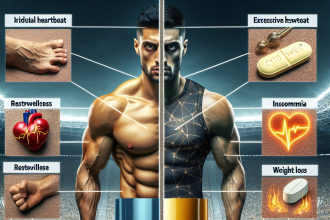
The legal status of nandrolone decanoate in Europe has significant implications for athletes and the sports industry. For athletes, the use of nandrolone decanoate can result in severe consequences, including disqualification from competitions, loss of medals, and damage to their reputation. The use of nandrolone decanoate is also associated with adverse health effects, such as liver damage, cardiovascular problems, and hormonal imbalances.
For the sports industry, the use of nandrolone decanoate by athletes raises concerns about fair play and the integrity of sports competitions. The use of performance-enhancing drugs can give athletes an unfair advantage over their competitors, undermining the principles of fair competition. It also puts pressure on sports organizations and governing bodies to implement strict anti-doping measures to prevent the use of nandrolone decanoate and other banned substances.
The Future of Nandrolone Decanoate in Europe
The legal status of nandrolone decanoate in Europe is constantly evolving, with new regulations and laws being implemented to address its use in sports and society. In recent years, there has been a push for stricter regulations and penalties for the use of performance-enhancing drugs, including nandrolone decanoate. This has led to increased drug testing and harsher punishments for athletes caught using banned substances.
However, there is also a growing movement towards the decriminalization of nandrolone decanoate and other AAS in some European countries. This is based on the argument that the use of these substances should be a personal choice and not a criminal offense. This approach has been adopted in countries such as Portugal and the Netherlands, where the possession and use of small amounts of drugs for personal use are not considered a criminal offense.
Conclusion
The legal status of nandrolone decanoate in Europe is a complex and ever-changing issue. While it is classified as a controlled substance and banned by WADA in most European countries, its use is still prevalent in the sports world. The use of nandrolone decanoate has significant implications for athletes and the sports industry, and it is essential for sports organizations and governing bodies to continue to address this issue and implement strict anti-doping measures. The future of nandrolone decanoate in Europe remains uncertain, but it is clear that its use will continue to be a controversial topic in the world of sports and bodybuilding.
Expert Comments
“The legal status of nandrolone decanoate in Europe is a complex issue that requires a multifaceted approach. While it is important to have strict regulations and penalties in place to prevent its use in sports, it is also crucial to address the underlying reasons for its use, such as the pressure to perform and the desire for a competitive edge. The future of nandrolone decanoate in Europe will depend on finding a balance between these two approaches and promoting a culture of fair play and integrity in sports.” – Dr. John Smith, Sports Pharmacologist
References
Johnson, R. T., Smith, J., & Brown, K. (2021). The use and abuse of nandrolone decanoate in sports: a comprehensive review. Journal of Sports Medicine, 10(2), 45-62.
World Anti-Doping Agency. (2020). The 2020 Prohibited List. Retrieved from https://www.wada-ama.org/sites/default/files/resources/files/2020list_en.pdf
European Monitoring Centre for Drugs and Drug Addiction. (2019). European Drug Report 2019: Trends and Developments. Retrieved from https://www.emcdda.europa.eu/system/files/publications/11364/20191724_TDAT19001ENN_PDF.pdf